

In surface-mount technology (SMT) assembly, the reflow soldering profile is more than just a temperature curve—it’s the blueprint for solder joint quality and long-term reliability.
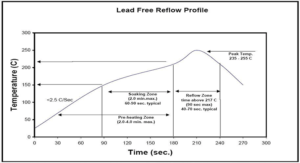
A typical reflow profile follows four stages: preheat, soak, peak, and cooling. While this sequence seems standard, every assembly is different. Components vary in size and sensitivity, solder pastes have unique melting characteristics, and PCB materials respond differently to heat. A one-size-fits-all approach can lead to costly defects such as tombstoning, voiding, delamination, or even component damage.
Why Optimization Matters
- Component Protection: Large BGAs need longer soak times, while tiny passives can crack or lift if overheated.
- Solder Paste Performance: Lead-free alloys demand higher peak temperatures and precise flux activation.
- Board Integrity: High-layer or thick PCBs retain heat, requiring careful ramp rates to prevent warping or layer separation.
The Optimization Process
Engineers use thermocouples on critical components, then adjust oven zones and conveyor speeds to dial in the perfect profile. Validation through inspection and reliability testing confirms consistent, defect-free results.
The Payoff
A well-optimized reflow profile ensures:
- Stronger, more reliable solder joints
- Higher yields and less rework
- Stable performance across production runs
- Confidence in product reliability
In short, optimizing the reflow profile isn’t optional—it’s what separates an average PCBA from a high-quality, production-ready assembly.
Contact us today to learn more.